Design With Purpose: How the Rig Worker Typography Skinny Tumbler and Hand-Drawn Wordcloud Are Redefining Everyday Brand Expression
In today’s saturated creative landscape, authenticity isn’t just a buzzword—it’s a functional requirement. Consumers, clients, and collaborators increasingly gravitate toward products and visuals that feel human-made, intentional, and layered with meaning. This shift is reshaping how professionals—from freelance designers and small-batch apparel entrepreneurs to marketing teams and boutique studios—select, adapt, and deploy design assets. At the intersection of utility, craft, and narrative lies a quietly powerful pairing: the Rig Worker Typography Skinny Tumbler and its companion—the beautiful hand-drawn colorful wordcloud.
More Than a Tumbler: A Typographic Statement in Stainless Steel
The Rig Worker Typography Skinny Tumbler is not simply a vessel for coffee or cold brew. It’s a tactile typographic artifact—a 16 oz stainless steel tumbler featuring bold, industrial-inspired lettering rendered with deliberate imperfection: slightly uneven stroke weights, subtle texture, and a grounded, no-nonsense rhythm. Its “skinny” profile enhances portability without sacrificing capacity, while its matte finish invites both grip and visual pause. Unlike mass-produced branded drinkware that leans on corporate minimalism or generic script fonts, this tumbler carries the weight of a working aesthetic—rooted in construction, energy, resilience, and hands-on expertise.
This isn’t nostalgia for its own sake. It reflects a broader cultural recalibration: professionals across industries—from renewable energy project managers to urban planners and skilled trades educators—are reclaiming visual language that honors labor, clarity, and material honesty. The Rig Worker Typography Skinny Tumbler functions as both tool and touchpoint—used daily in field offices, co-working spaces, and creative studios—not as a passive logo carrier, but as an active participant in identity-building.
The Wordcloud: A Living Canvas for Human-Centered Design
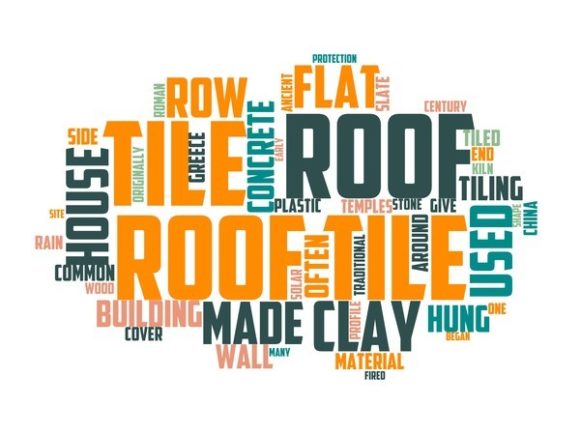
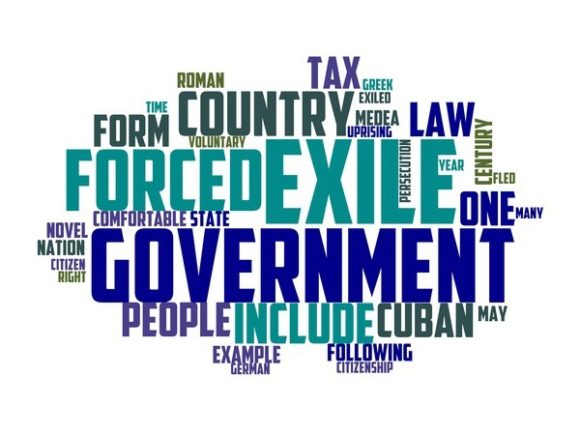
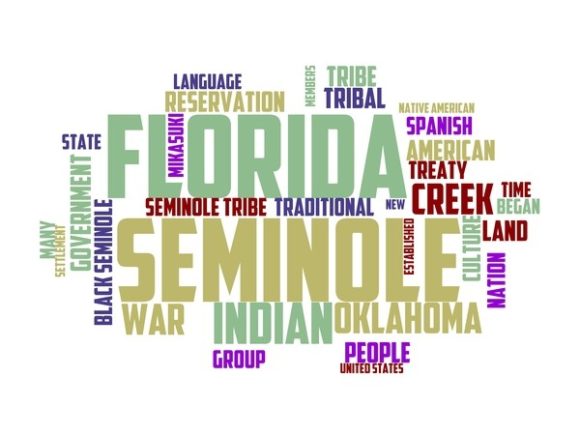
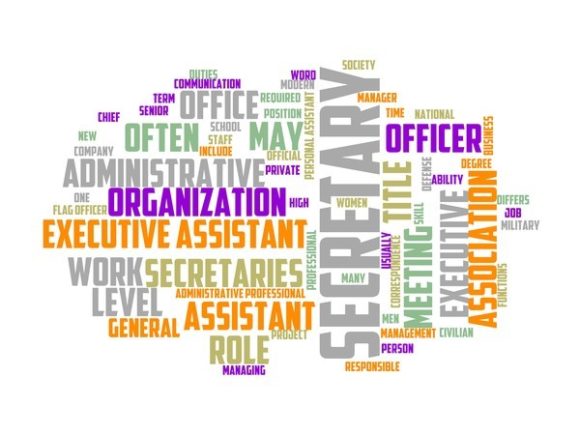
Complementing the tumbler is a vibrant, hand-drawn colorful wordcloud—designed not as static decoration, but as a modular creative system. Every word is individually sketched, then digitally arranged to balance density, contrast, and breathing room. No two iterations feel identical; the organic linework, varied sizing, and joyful color palette resist algorithmic uniformity. This is intentional. In an era where AI-generated visuals flood feeds and pitch decks, this wordcloud offers something rarer: hand-authored resonance.
Its versatility is strategic—not incidental. It’s engineered for real-world application: scalable for large-format posters, legible at thumbnail size on digital banners, adaptable to embroidery on denim jackets, and precise enough for foil-stamped business cards. Designers use it to anchor brand campaigns around themes like “Resilience,” “Build Forward,” or “Craft First.” Educators print it onto classroom posters to reinforce vocabulary through visual association. Apparel brands integrate fragments into pocket prints or tag labels—turning product tags into micro-expressions of mission.
Why This Pairing Is Gaining Momentum Now
Three converging trends explain the rising relevance of both the Rig Worker Typography Skinny Tumbler and the hand-drawn wordcloud:
- Workflow Efficiency Meets Emotional Authenticity: Creative professionals juggle tighter deadlines and broader scope—often managing branding, social content, merch, and client deliverables solo. Assets that work across mediums *without* requiring heavy customization (e.g., resizing, recoloring, reformatting) save hours. Yet they must still feel bespoke. This wordcloud delivers both: it’s production-ready *and* unmistakably handmade.
- The Rise of Context-Aware Branding: Consumers no longer respond to one-size-fits-all messaging. They notice when a brand’s tone shifts authentically across touchpoints—warm and personal in email newsletters, grounded and direct on packaging, energized and inclusive on social banners. The wordcloud supports this nuance. Its words can be curated, reordered, or emphasized to match context—“Precision” highlighted for engineering proposals, “Growth” enlarged for mentorship programs—while retaining visual continuity.
- Tactile Translation in a Digital-First World: As remote collaboration becomes standard, physical artifacts carry renewed symbolic weight. A team receiving branded tumblers at the start of a project signals shared values before the first Zoom call. A printed poster using the wordcloud in a studio space reinforces culture daily—not as decoration, but as orientation. The Rig Worker Typography Skinny Tumbler bridges digital strategy and tangible presence in a way flat logos cannot.
Real-World Integration: Beyond the Obvious
Consider how these assets operate beyond their surface function:
- For Marketers Launching a Sustainability Initiative: Use the wordcloud to build a campaign banner titled “Rooted. Responsible. Ready.”—with “Rooted” drawn in earthy greens, “Responsible” in deep indigo, and “Ready” in sunrise orange. Print the same phrase in rig-worker typography on reusable tumblers gifted to partners—creating cross-channel consistency that feels earned, not engineered.
- For Freelance Educators Creating Online Courses: Embed wordcloud fragments into downloadable worksheets (“Clarity,” “Process,” “Iterate”) and pair them with the tumbler as a limited-edition student incentive. The physical object reinforces learning values while anchoring the digital experience in something real.
- For Boutique Textile Designers: Scale the wordcloud’s “Weave,” “Thread,” and “Pattern” into repeat motifs for fabric yardage. Then feature the Rig Worker Typography Skinny Tumbler in lifestyle photography—held by a designer at a cutting table—to visually link process, product, and personality.
Designing for Longevity, Not Just Virality
Unlike trend-driven assets that age quickly, both the tumbler and wordcloud are built for longevity—not because they’re neutral, but because they’re principled. The rig-worker typeface avoids fleeting stylistic quirks (like exaggerated terminals or arbitrary distortions); instead, it draws from enduring typographic traditions—American wood type, industrial signage, field manual typography. Likewise, the wordcloud’s hand-drawn quality ensures it won’t look dated next year, because it was never trying to look “of the moment.” It looks of the maker.
This aligns with a growing professional expectation: that tools and templates reflect intentionality, not convenience alone. When a startup selects this tumbler for its swag program—or a nonprofit uses the wordcloud in its annual report—it signals a commitment to values that extend beyond aesthetics: transparency in process, respect for craft, and clarity in communication.
Looking Ahead: Tools That Anchor, Not Just Accelerate
The future of creative work isn’t about faster outputs—it’s about deeper alignment. As AI accelerates ideation and iteration, the human role evolves toward curation, contextualization, and ethical framing. Assets like the Rig Worker Typography Skinny Tumbler and the hand-drawn wordcloud succeed because they don’t ask users to fill gaps in meaning—they provide a foundation rich enough to build upon, yet flexible enough to adapt.
They invite collaboration rather than replacement. A graphic designer might layer the wordcloud over a custom photo background for a conference banner. A product manager might select three words—“Reliable,” “Direct,” “Built”—to stamp onto internal team notebooks. A jewelry maker could laser-etch a single word—“Anchor”—from the cloud onto a pendant, then photograph it beside the tumbler on a workshop bench.
In each case, the asset doesn’t dominate—it supports. It serves the person, the message, and the moment—without demanding attention for its own sake.
That’s the quiet power of purpose-built design: it doesn’t shout. It stands ready—on a desk, in a tote bag, on a wall—and says, This is made for what you do next.