Second Language Acquisition Typography S
Typography isn’t just about choosing a font—it’s about shaping meaning, guiding attention, and embedding intention into every curve and stroke. Second Language Acquisition Typography S is a thoughtfully crafted typographic concept rooted in the cognitive and emotional journey of learning a new language. It doesn’t mimic textbook fonts or academic dryness. Instead, it expresses the layered, nonlinear, often joyful struggle of acquiring fluency—through rhythm, contrast, color, spacing, and visual metaphor.
The “S” stands for more than just the letter—it signals structure, story, synthesis, and self-expression. Each character is designed with subtle cues: overlapping glyphs suggest language interference; soft gradients reflect gradual comprehension; bilingual ligatures (like Spanish “ñ” merging with English “n”) visualize code-switching; and hand-drawn imperfections honor the human effort behind learning. This isn’t decorative abstraction—it’s typography with pedagogical empathy.
Why Designers and Educators Are Choosing This Style
Unlike generic “learning-themed” fonts, Second Language Acquisition Typography S works because it’s both functional and resonant. Its open counters and generous x-height ensure readability at small sizes—critical for flashcards, worksheets, or app interfaces. Yet its expressive details shine at larger scales: on posters, textile prints, or presentation slides. Educators use it to signal psychological safety—its warmth and approachability reduce the intimidation often tied to language learning. Designers appreciate its versatility: it pairs cleanly with minimalist sans-serifs for balance, or with organic watercolor textures for tactile depth.
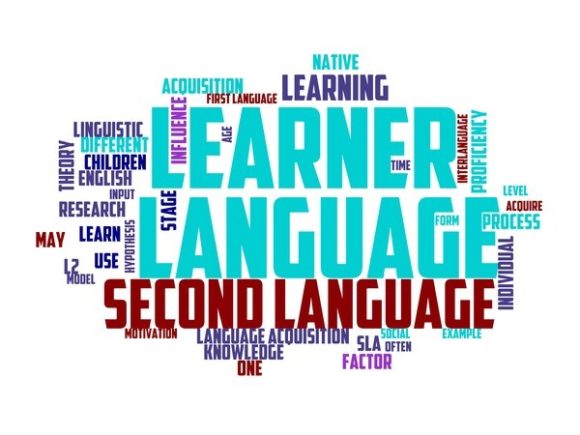
It also meets real-world accessibility needs. The color palette embedded in the wordcloud version (soft teals, warm ochres, muted corals) was tested for contrast compliance against WCAG 2.1 AA standards—making it suitable for classroom handouts, digital banners, and printed materials without retrofitting.
Crafting With Purpose: Real Applications Across Mediums
This isn’t just a pretty graphic—it’s a flexible creative tool. Here’s how different users are applying it:
- Teachers & Curriculum Designers: Print the wordcloud as a classroom anchor chart—labeling high-frequency verbs, cognates, or pronunciation tips directly onto the letters. Laminate it for interactive whiteboard annotation or cut out individual words for vocabulary sorting games.
- Small Business Owners: Use the wordcloud as a background layer beneath clean brand typography on café aprons, bilingual menu boards, or language school tote bags. Its non-literal, evocative nature avoids cliché while reinforcing mission—no stock “globe + speech bubble” needed.
- Self-Publishers & E-book Creators: Integrate scaled-down versions into chapter dividers or section headers. Because the design is vector-based, it resizes crisply across EPUB, PDF, and print-ready files—no pixelation, no rework.
- Textile & Product Designers: Apply the layout to fabric repeats for scarves or pillow covers—rotate and mirror elements to create rhythm without repetition fatigue. For ceramics or enamel pins, isolate single words (“listen”, “try”, “again”) and simplify outlines for clean silhouettes.
- Marketing Teams: Adapt the wordcloud into animated social assets—subtly fading in keywords like “confidence”, “connection”, or “curiosity” over 3 seconds. Works especially well for Instagram carousels promoting language workshops or app launches.
Staying Clear, Consistent, and Audience-Focused
When using Second Language Acquisition Typography S, clarity starts with restraint. Don’t layer it over busy photos or competing patterns. Let it breathe: pair with ample negative space, neutral backgrounds (off-white, light clay, soft grey), or subtle linen textures. If printing on dark surfaces, use the provided high-contrast version—not a simple invert, which sacrifices legibility.
Consistency comes from intentional variation. For example, if you’re designing a series of language-learning stickers, keep the core wordcloud intact—but rotate hue emphasis: one set highlights “communication” in teal, another centers “grammar” in amber. That maintains visual cohesion while supporting thematic shifts across products.
For audience alignment, consider context first. A university outreach flyer might emphasize academic terms (“syntax”, “morphology”, “interlanguage”) in tighter spacing and cooler tones. A kids’ summer camp poster would enlarge playful words (“play”, “sing”, “dance”) and add gentle doodle accents—without altering the underlying typographic structure. The system adapts; it doesn’t prescribe.
Going Beyond Decoration: Ideas That Spark Action
Try these grounded, low-barrier projects—no design degree required:
- Build-a-Phrase Notebook Cover: Print the wordcloud on sticker paper. Cut out 5–7 words that resonate personally (“ask”, “mistake”, “sound”, “share”). Arrange them diagonally across a plain notebook—then use those same words as weekly reflection prompts inside.
- Bilingual Gift Tag Series: Combine the wordcloud with your own translations. Print “welcome” / “bienvenido” side-by-side on kraft tags, using the S-style “w” and “b” as visual bookends. Hand-letter the rest—or keep it all typographic for cohesion.
- Classroom Progress Wall: Mount a large print on foam board. Each student adds a colored pin next to a word they’ve used meaningfully that week—“order”, “explain”, “agree”. Over time, clusters form where engagement deepens.
- Podcast Show Notes Header: Drop a simplified, monochrome version above episode transcripts. Readers instantly recognize your show’s focus—not through jargon, but through visual tone.
What makes Second Language Acquisition Typography S enduring isn’t novelty—it’s utility grounded in understanding. It reflects how people actually learn: not in straight lines, but through repetition, missteps, moments of insight, and quiet persistence. When you choose this typography, you’re not just selecting a visual style—you’re affirming a process. And that intention shows, whether stitched onto a cotton tote or centered on a conference banner.
So get crafty—but stay purposeful. Let the colors guide mood, the spacing support breath, the shapes invite interaction. Whether you’re prototyping a lesson plan, launching a language app, or designing your first zine, let this typography do more than look good. Let it hold space—for growth, for voice, for the beautiful, messy work of becoming fluent.