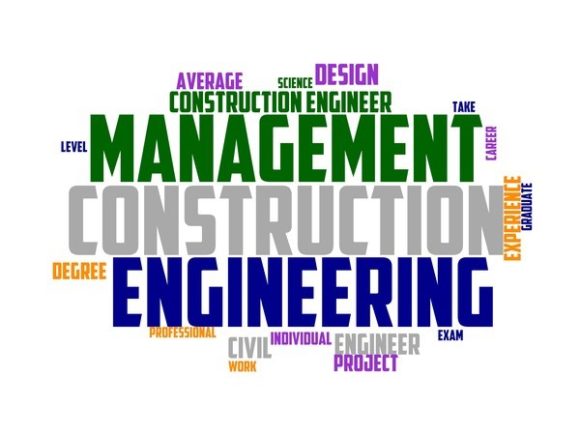
Site Engineer Typography Banner
The Site Engineer Typography Banner is more than a decorative asset—it’s a functional, versatile design element rooted in technical clarity and visual warmth. Built around hand-drawn, colorful typography, it merges engineering precision with creative expression. Unlike generic banners or clipart, this piece carries intentional weight: its letterforms reflect craftsmanship, its palette supports readability at scale, and its organic linework invites human connection—without sacrificing professionalism. It fits naturally into workflows where communication must be both authoritative and approachable: construction site signage, training materials, safety briefings, project dashboards, client presentations, and internal team updates.
For professionals who move between blueprints and branding—site engineers, project managers, safety coordinators, educators in vocational programs, or small contractors building their own marketing assets—the banner serves as a bridge. It doesn’t replace technical documentation, but enhances it. You might use it to headline a weekly site report, anchor a workshop handout, or frame a milestone photo shared with stakeholders. Its strength lies in consistency: applying the same typographic voice across documents, digital displays, and printed tools builds recognition and reinforces credibility over time.
Where It Fits in Your Workflow
Think of the Site Engineer Typography Banner not as a standalone graphic, but as a reusable component in your communication stack. Before a project begins, it can help define scope and tone—placed atop a kickoff slide deck or embedded in a pre-bid proposal to signal attention to detail and on-site fluency. During execution, it adds visual hierarchy to daily safety huddles, progress trackers, or equipment checklists. After completion, it elevates case studies, project retrospectives, or portfolio pieces—especially when paired with real photos of built work.
Its compatibility extends across formats. Because it’s delivered as a high-resolution vector or layered PNG (with transparent background), it scales cleanly for large-format prints like site hoardings or trade show banners—and resizes crisply for digital use: Slack announcements, email headers, or social media cover images. No reworking needed. That saves time during tight deadlines, reduces version-control errors, and keeps messaging aligned across channels.
Integration With Tools You Already Use
You don’t need new software to make this banner work. It imports cleanly into Adobe Creative Cloud (Illustrator, Photoshop, InDesign), Canva, Figma, Microsoft PowerPoint, and even Google Slides. In Illustrator, you can recolor individual letters non-destructively using global swatches—ideal when adapting the banner for seasonal safety campaigns (e.g., orange for fall hazard awareness, blue for winter cold-weather protocols). In Canva, drag-and-drop placement works instantly alongside stock photos or custom site imagery, letting field staff without design experience produce polished outputs in minutes.
When used alongside project management tools like Procore, Buildertrend, or even Excel-based logs, the banner becomes part of a visual language system. For example: embed it in a recurring PDF report template that auto-populates from your daily log data. Or pin it to the top of a Notion dashboard tracking subcontractor certifications—its presence signals “this space is official, reviewed, and grounded in practice.” That subtle reinforcement improves compliance and engagement without added instruction.
Practical Implementation Tips
- Start with context, not decoration. Ask: What action should the viewer take after seeing this? If it’s “review the latest excavation permit,” place the banner above the permit summary—not floating alone on a blank page.
- Respect contrast and legibility. The hand-drawn style thrives against clean, uncluttered backgrounds. Avoid busy textures or low-contrast colors underneath. When printing on apparel or textiles, test on fabric swatches first—some inks mute fine linework.
- Use color intentionally. The default palette is vibrant, but you’re not locked in. Swap one or two hues to match your company brand guidelines—or align with industry standards (e.g., green for environmental compliance sections, red only for critical alerts).
- Group related assets. Store the banner file alongside your standard fonts, logo lockups, and approved photo libraries in a shared cloud folder. Name it clearly: “SiteEngineer_Banner_Vector_v2.ai” — versioning prevents accidental use of outdated files during urgent revisions.
- Repurpose thoughtfully. A banner designed for a site sign can become the header for a training video thumbnail, the watermark on a downloadable checklist, or the central motif on a commemorative trowel for project completion. One source file, multiple high-value outputs.
Beyond the Banner: How It Supports Broader Goals
For small business owners and solo practitioners, consistency compounds. Using the Site Engineer Typography Banner across proposals, invoices, safety posters, and social posts tells clients you operate with intention—not just urgency. That perception translates directly into trust, repeat work, and referrals. Educators use it to make technical content feel less intimidating for apprentices or students; the hand-drawn quality softens the formality of engineering concepts without diluting accuracy.
In team environments, it also functions as a subtle alignment tool. When everyone pulls from the same visual library—even something as simple as a banner—their outputs feel coordinated. That cohesion matters during audits, client reviews, or interdepartmental handoffs. There’s less back-and-forth about “tone” or “brand fit” because the asset already embodies those qualities.
Long-Term Usability Considerations
This isn’t a trend-driven graphic meant for short-term use. Its hand-drawn aesthetic avoids looking dated next year, and its typography avoids narrow stylistic niches (no overly distressed fonts or fleeting design fads). To ensure longevity:
- Keep original layered files backed up in at least two locations—cloud and local drive.
- Document usage rules internally: minimum size for legibility, acceptable color adjustments, prohibited distortions (e.g., no vertical stretching).
- Review annually: Does it still reflect your current service offerings? Has your audience shifted? Small refinements—like adding bilingual text variants or updating a single icon within the composition—are often enough to keep it relevant.
Quality control starts early. Before deploying the banner on high-visibility items—like a trade show backdrop or client-facing brochure—print a physical proof. Screen rendering rarely matches ink behavior on vinyl or matte paper. What reads clearly at 24pt on a monitor may blur at 36in tall on a banner. Test at actual size, under typical lighting conditions.
Real-World Use Cases Across Roles
A freelance safety consultant uses the banner to introduce each module in her online course—consistent framing helps learners recognize transitions between topics like “excavation protocols” and “electrical hazard mitigation.” A civil engineering firm includes it on the cover of their quarterly sustainability report, anchoring data-heavy pages with visual continuity. A vocational school prints it on lab coats and notebooks, reinforcing identity and standards among students before they step onto live sites.
Even in unexpected places, it holds value: stitched onto a tote bag for site orientation kits, screen-printed on ceramic mugs for team appreciation days, or laser-etched onto aluminum tags attached to calibration tools. Each application reinforces the same message—not just “we build things,” but “we build things carefully, clearly, and with care for people and process.”
Ultimately, the Site Engineer Typography Banner earns its place by solving small, repeated problems: cutting down on design decision fatigue, speeding up asset creation, supporting clarity under pressure, and quietly strengthening professional identity. It works best when treated not as decoration—but as infrastructure for communication.