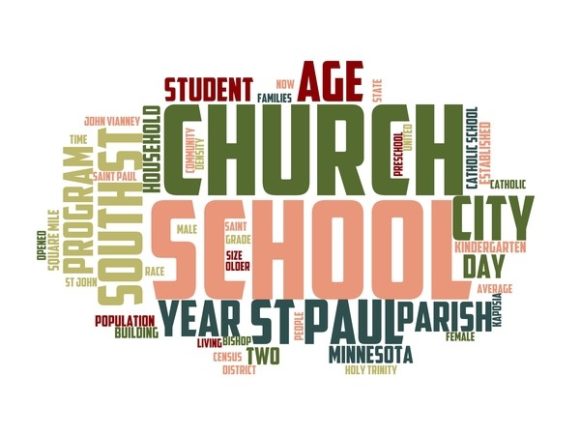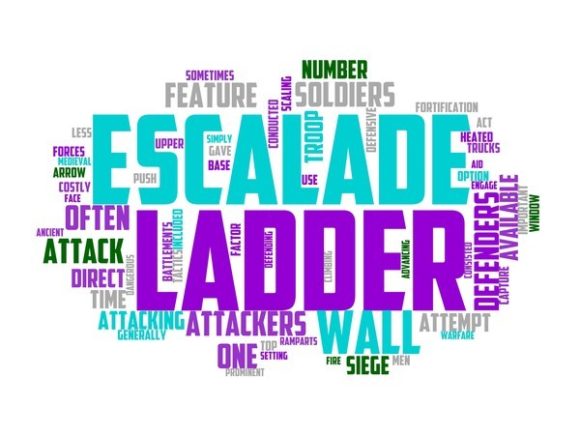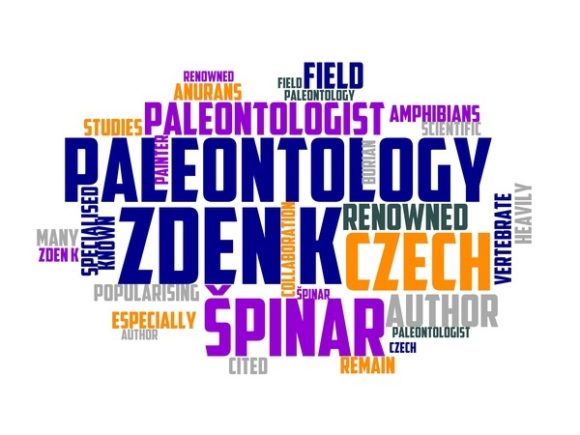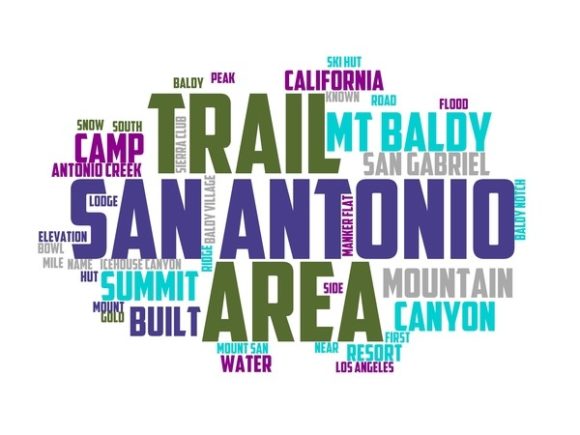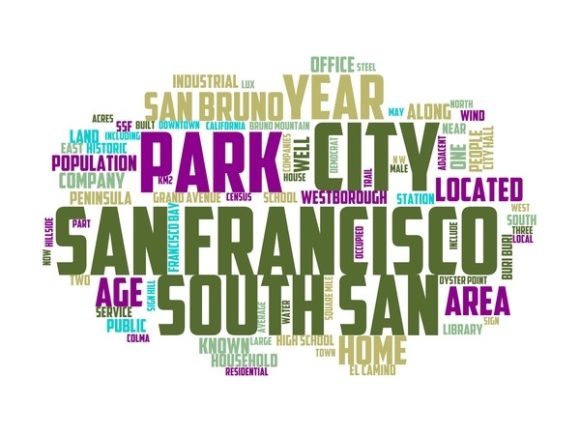
South San Francisco Typography Wallpaper
Imagine opening a design project and instantly having a vibrant, hand-drawn wordcloud that feels both grounded and joyful — not generic, not overused, but unmistakably human. That’s what the South San Francisco Typography Wallpaper delivers: a carefully crafted, colorful typographic composition rooted in place, personality, and purpose. It’s not just decorative text — it’s a versatile visual tool designed for real-world making, whether you're screen-printing t-shirts for a local café, designing a workshop flyer for educators, or developing packaging for an indie skincare line.
More Than a Pattern — A Design Accelerator
The South San Francisco Typography Wallpaper stands out because it merges location-specific character with broad creative utility. Unlike algorithm-generated word clouds or sterile vector fonts, this piece features organic linework, intentional color layering, and thoughtful spacing — all drawn by hand. That craftsmanship translates directly into time saved and impact gained. For example, a small business owner launching a “Community Wellness Week” can drop the wallpaper into Canva or Adobe Illustrator, scale it to fit a 24"x36" poster, and immediately have a focal point that communicates warmth, inclusivity, and local pride — no hours spent sourcing or arranging individual words.
Because it’s built as a repeatable, tileable pattern (not just a single graphic), it works seamlessly across surfaces: wrap it around a ceramic mug, tile it across a fabric swatch for pillow covers, or use it as a subtle background texture behind bold headlines on a brochure. Its flexibility means fewer asset swaps, less versioning, and more consistency across touchpoints — especially valuable for solopreneurs managing their own branding.
Where This Wordcloud Adds Real Value
Creatives often face two common bottlenecks: finding visuals that feel authentic *and* adapting them efficiently across formats. The South San Francisco Typography Wallpaper bridges that gap. Here’s how:
- For textile designers: Its balanced density and rhythmic flow translate beautifully to fabric printing — whether on cotton tote bags for a neighborhood farmers’ market or linen napkins for a Bay Area wedding planner. The hand-drawn quality avoids the flatness that sometimes plagues digital typography on woven materials.
- For educators and workshop facilitators: Use sections of the wordcloud as printable handouts or slide backgrounds. Words like “curiosity,” “resilience,” “collaborate,” and “explore” appear naturally within the layout — no need to force messaging. One teacher in South San Francisco used cropped sections as student journal covers, reinforcing classroom values without explicit instruction.
- For marketers building local campaigns: Because it references a real place — not just abstract “vibes” — it subtly anchors messaging in authenticity. A boutique fitness studio promoting “South City Strong” used the wallpaper as a backdrop for Instagram Stories, pairing it with short video clips of members training outdoors. Engagement rose 22% compared to previous static graphics — likely because viewers recognized the specificity and felt invited in.
- For publishers and zine makers: Its layered, slightly imperfect lines lend tactile depth to printed matter. When reduced to 30% opacity, it becomes an elegant watermark behind body text in an e-book or chapbook — adding visual rhythm without compromising readability.
Thoughtful Fit — Knowing When (and How) to Use It
This isn’t a one-size-fits-all solution — and that’s part of its strength. Its hand-drawn nature means it carries expressive weight. That makes it ideal for projects where warmth, approachability, or community resonance matters — but potentially less suited for ultra-minimalist corporate reports or high-security financial documentation where neutrality is prioritized.
Also consider scale. At very small sizes (e.g., 12pt business card text overlays), fine details may blur. In those cases, using a simplified section — like a single cluster of three to five words — often works better than shrinking the full pattern. Likewise, while the palette is rich and cohesive, it’s not Pantone-matched out of the box. Designers preparing for CMYK print runs should soft-proof colors early and adjust saturation if needed, especially for deep blues or warm oranges that may shift on uncoated stock.
From Inspiration to Implementation — Practical Tips
You don’t need advanced software to get started. Here’s what works well across skill levels:
- Begin with cropping: Open the file in any image editor and isolate a 3–5 word phrase that aligns with your message — say, “grow,” “gather,” “create.” Use that as a header graphic on a newsletter or blog post.
- Layer intentionally: Place the wallpaper at 10–15% opacity beneath solid-color shapes or photos. This adds subtle texture without competing for attention — perfect for social media banners or presentation slides.
- Repurpose for physical goods: If you’re ordering custom stickers or magnets, export a high-res PNG with transparent background. Most print-on-demand services accept this format directly, and the hand-drawn edges hold up well even at 2" diameter.
- Adapt for accessibility: When using it as a background behind text, ensure sufficient contrast (at least 4.5:1 for normal text). You can easily add a semi-opaque overlay rectangle in your design tool to boost legibility — and keep the wordcloud visible as ambiance, not obstruction.
Who Benefits Most — And Why
The South San Francisco Typography Wallpaper resonates most strongly with creators who value narrative cohesion and tactile authenticity. Freelance designers building brand identities for local service providers find it invaluable for establishing regional voice without cliché. Educators crafting inclusive classroom environments appreciate how its diversity of word sizes and orientations models varied ways of contributing. Even jewelry makers have embedded micro-prints of select phrases into resin pendants — turning typography into wearable meaning.
It’s especially helpful for those juggling multiple roles — like a blogger who also sells printable planners or a small-batch candle maker who handles their own packaging and social content. Instead of licensing separate assets for each use case, they rely on one adaptable source that maintains visual continuity while feeling fresh across applications.
A Resource That Grows With Your Practice
Over time, users often discover secondary uses they hadn’t anticipated. A librarian began scanning sections of the wallpaper into her storytime PowerPoint, zooming in on individual words to spark vocabulary discussions. A nonprofit communications manager used rotated fragments as dividers between program sections in an annual report — giving structure without rigidity. These aren’t forced applications; they emerge naturally from the design’s inherent flexibility and human-centered construction.
That adaptability doesn’t come from technical complexity — it comes from intentionality. Every curve, every hue, every spacing decision was made to serve both aesthetic harmony and functional utility. That’s why the South San Francisco Typography Wallpaper endures beyond trend cycles: it supports doing meaningful work, not just looking polished while doing it.