Special Needs Typography Skinny Tumbler
If you're designing for inclusivity—or simply love clean, thoughtful typography—the Special Needs Typography Skinny Tumbler is more than a stylish drinkware item. It’s a quiet statement of accessibility, clarity, and care. Designed with legibility at its core, this tumbler features a custom typeface optimized for readers with dyslexia, low vision, ADHD, or other learning differences—yet it’s equally appealing to anyone who values readability, modern aesthetics, and intentional design.
What Makes This Tumbler Different?
Unlike standard tumblers with decorative or condensed fonts, the Special Needs Typography Skinny Tumbler uses a carefully crafted, open-sans-inspired type system. Letters have increased spacing (tracking), distinct shapes (like a dotted “i” and angled “a”), consistent weight distribution, and reduced visual crowding—all proven to support faster recognition and reduced cognitive load. The “skinny” profile isn’t just about looks: it fits comfortably in hands and cup holders while keeping text visible across the full circumference.
The tumbler itself is made from durable, BPA-free stainless steel with double-wall vacuum insulation—so it keeps drinks cold for 24 hours or hot for 12. But what truly sets it apart is how the typography wraps seamlessly around the surface: no awkward breaks, no stretched letters, no hidden words. Every curve supports the message—not fights it.
Why People Choose It
Many buyers start with a practical need—like supporting a child’s classroom routine, creating inclusive office swag, or offering accessible merch at a nonprofit event. Others discover it through educators, therapists, or special education consultants who recommend tools that quietly reinforce dignity and independence.
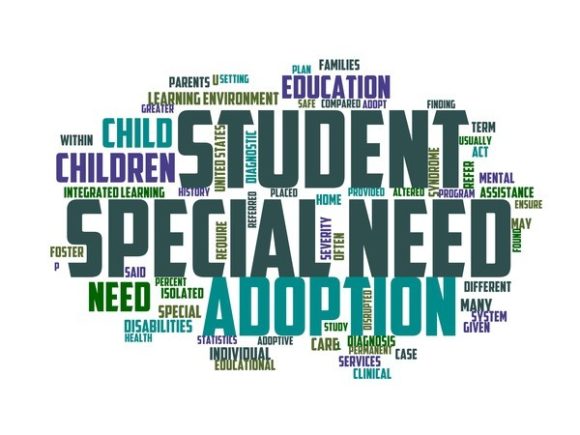
For small business owners, it’s a meaningful way to signal values without slogans. A coffee shop might offer it as a staff appreciation gift; a therapy practice could use it in waiting rooms; a homeschool co-op might personalize them for students’ reading goals. Even casual crafters appreciate how easily the tumbler pairs with the beautiful hand-drawn colorful wordcloud—a versatile design asset meant to inspire, not overwhelm.
Real-Life Uses You’ll Recognize
Here’s how people are putting both the tumbler and wordcloud into action:
- In classrooms: Teachers print the wordcloud onto laminated flashcards or notebook covers, then pair them with the tumbler as a “reading buddy” reward—students see the same friendly, clear words on their desk and their drinkware.
- At home: Parents use the wordcloud to label pantry bins, chore charts, or sensory kits—and keep the tumbler nearby for hydration reminders written in the same supportive font.
- For small brands: A wellness coach adds key affirmations (“breathe,” “pause,” “enough”) from the wordcloud to custom stickers, then gives clients a tumbler engraved with one phrase in the Special Needs Typography. It feels personal, purposeful, and usable every day.
- In therapy settings: Occupational therapists incorporate the tumbler into fine-motor activities (gripping, pouring) while using the wordcloud for vocabulary-building games—tying physical and cognitive practice together naturally.
More Than Just a Cup: How the Wordcloud Fits In
The beautiful hand-drawn colorful wordcloud wasn’t designed in isolation—it was created to complement tools like the Special Needs Typography Skinny Tumbler. Its organic lines, balanced color palette, and varied but legible sizing make it ideal for layering onto fabric, paper, or digital layouts without sacrificing clarity.
You’ll find creators using it on:
- Tote bags and aprons for inclusive makerspaces
- Print-on-demand notebooks with themed wordclouds (e.g., “calm,” “focus,” “kind”) and matching tumbler designs
- Digital invitations where key phrases appear in both the wordcloud graphic and the tumbler’s engraved text
- Scrapbooking pages documenting IEP progress, paired with photos of the student using their personalized tumbler
Because it’s hand-drawn—not algorithm-generated—it avoids sterile uniformity. That warmth translates well across mediums: stitched onto pillows, screen-printed on posters, embossed on business cards, or even adapted into textile patterns for adaptive clothing labels.
Things to Keep in Mind Before You Use It
First, consider your audience’s actual needs—not assumptions. While the Special Needs Typography Skinny Tumbler is broadly helpful, some users benefit more from high-contrast colors, tactile lettering, or audio-supported labels. Pairing it thoughtfully with the wordcloud enhances impact, but never replaces direct input from neurodivergent individuals or accessibility specialists.
Second, check file formats if you’re printing or embroidering. The wordcloud usually comes in vector (SVG/EPS) and high-res PNG—ideal for scaling without blur. For tumblers, look for suppliers who support curved-surface engraving or wrap printing that preserves letter proportions.
Third, remember context matters. A vibrant wordcloud works beautifully on a poster or pillow—but may feel overwhelming on a small tag or app icon. Likewise, the tumbler shines in daily routines, not formal presentations. Match the tool to the moment.
A Final Thought for Creators & Educators
You don’t need to be a designer or therapist to use these tools well. Start small: try writing one positive phrase from the wordcloud on a sticky note beside your tumbler. Notice how it feels to read it—clearly, calmly, without second-guessing. That’s the intention behind both pieces: reducing friction so attention, energy, and joy can flow where they’re most needed.
Whether you're launching a mindful brand, supporting a learner, decorating your studio, or simply choosing drinkware that reflects your values—the Special Needs Typography Skinny Tumbler and its companion wordcloud invite you to create with empathy, precision, and quiet confidence.