Technical Instructor Typography Skinny T: A Versatile Design for Creative Projects
The Technical Instructor Typography Skinny T is more than just a font—it’s a powerful tool for designers, educators, and creatives looking to bring clarity and style to their work. With its clean lines and modern aesthetic, this typography offers a professional yet approachable look that can be adapted to a wide range of applications. Whether you're designing a presentation, creating educational materials, or working on a personal project, the Technical Instructor Typography Skinny T provides a reliable foundation for effective communication.
Understanding the Appeal of Technical Instructor Typography Skinny T
One of the key strengths of the Technical Instructor Typography Skinny T is its readability. In an age where attention spans are short and information overload is common, clear and legible text is essential. This font is designed with a focus on simplicity, making it ideal for use in both digital and print formats. Its consistent stroke width and balanced proportions ensure that it remains easy to read even at smaller sizes, which is particularly useful for technical documents, instructional guides, and educational content.
Another notable feature of the Technical Instructor Typography Skinny T is its versatility. It can be used in a variety of contexts, from formal presentations to casual handouts. The font’s neutral yet stylish appearance makes it suitable for both professional and personal projects, allowing users to maintain a cohesive visual identity across different mediums. Whether you’re creating a website, a brochure, or a social media post, the Technical Instructor Typography Skinny T can help you convey your message with confidence and clarity.
Integrating Technical Instructor Typography Skinny T into Modern Workflows
In today’s fast-paced digital environment, efficiency is key. The Technical Instructor Typography Skinny T supports this by offering a streamlined design that integrates seamlessly into various software tools and platforms. Many graphic design programs, such as Adobe Illustrator, Photoshop, and Canva, include this font as a standard option, making it easily accessible for users of all skill levels. This accessibility allows creatives to quickly apply the font to their projects without the need for additional downloads or installations.
Additionally, the Technical Instructor Typography Skinny T is well-suited for use in collaborative environments. When multiple team members are working on a project, having a shared font library ensures consistency and reduces the risk of formatting issues. This is especially important in industries such as education, marketing, and publishing, where uniformity and professionalism are critical. By using the Technical Instructor Typography Skinny T, teams can maintain a cohesive look across all materials, enhancing the overall quality and impact of their work.
Exploring the Practical Benefits of Technical Instructor Typography Skinny T
When choosing a font for a project, practical considerations often play a significant role. The Technical Instructor Typography Skinny T excels in this regard due to its adaptability and ease of use. For example, it works well in both black-and-white and color contexts, allowing for greater flexibility in design choices. This makes it an excellent option for projects that require a high level of customization, such as branding initiatives, packaging designs, and promotional materials.
Furthermore, the Technical Instructor Typography Skinny T is compatible with a wide range of file formats, including PNG, JPEG, SVG, and PDF. This compatibility ensures that the font can be used across different platforms and devices without compromising quality or clarity. Whether you’re preparing a document for print or sharing it online, the font’s universal compatibility helps streamline the workflow and minimize potential technical issues.
Using Technical Instructor Typography Skinny T in Real-World Scenarios
Consider a scenario where a teacher is preparing a set of lesson plans for a new course. By incorporating the Technical Instructor Typography Skinny T into the design, the teacher can create a visually appealing and easy-to-read resource that enhances the learning experience. The font’s clean and structured appearance supports the educational content, making it easier for students to follow along and stay engaged.
Another example could involve a small business owner who wants to create a series of promotional materials for an upcoming event. Using the Technical Instructor Typography Skinny T, they can design flyers, posters, and social media graphics that maintain a consistent and professional look. This not only improves the visual appeal of the materials but also reinforces the brand’s identity, helping to build trust and recognition among customers.
Combining Technical Instructor Typography Skinny T with Other Design Elements
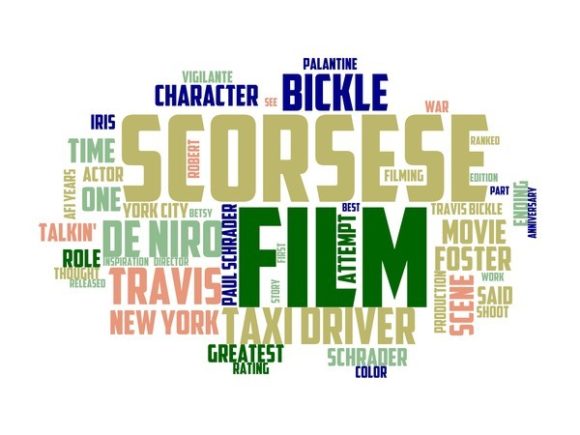
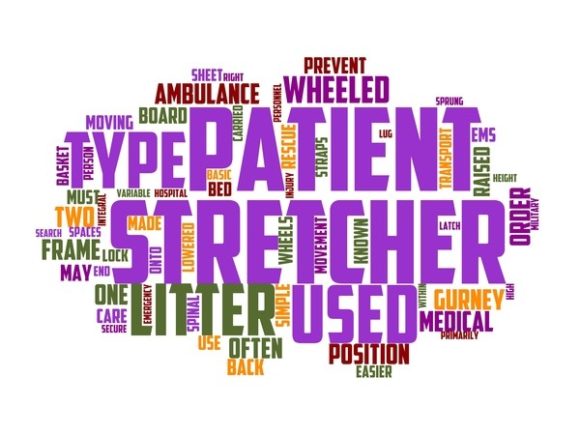
While the Technical Instructor Typography Skinny T is a strong standalone font, it also pairs well with other design elements to create a more dynamic and engaging visual experience. For instance, when used alongside the beautiful hand drawn colorful wordcloud, the font can add a sense of structure and balance to the composition. This combination is particularly effective in projects that aim to inspire and motivate, such as motivational posters, journal covers, and creative stationery.
The wordcloud itself is a versatile design element that can be customized to suit a variety of themes and purposes. Its vibrant colors and organic shapes make it an excellent choice for adding a touch of personality and creativity to any project. Whether used as a background element, a focal point, or a decorative accent, the wordcloud enhances the overall aesthetic while maintaining a sense of coherence and harmony.
Choosing the Right Font for Your Project
When selecting a font for a project, it’s important to consider the intended audience, the purpose of the content, and the overall design goals. The Technical Instructor Typography Skinny T is an excellent choice for projects that require a professional and organized appearance, such as technical manuals, academic papers, and corporate reports. Its clean and modern look aligns well with these types of materials, ensuring that the content is both visually appealing and easy to navigate.
However, it’s also worth exploring other fonts that may better suit specific needs or preferences. For example, if a project requires a more artistic or whimsical feel, a script or decorative font might be more appropriate. Ultimately, the goal is to choose a font that enhances the message and resonates with the target audience, while also supporting the overall design vision.