Telex Operator Typography Background: A Unique Design for Creative Expression
Telex Operator Typography Background is more than just a visual element—it’s a powerful tool for creative expression. This design style, inspired by the aesthetics of early telecommunication and typewriting, offers a nostalgic yet modern look that can elevate any project. Whether you're designing for print, digital media, or handmade crafts, understanding the nuances of this typography background can make a significant difference in your final output.
What Is Telex Operator Typography Background?
Telex Operator Typography Background refers to a design aesthetic that mimics the look of old telex machines, typewriters, and early communication devices. It often features bold, monospaced fonts, retro color schemes, and a sense of mechanical precision. This style has gained popularity among designers, artists, and entrepreneurs who want to add a vintage or industrial touch to their work.
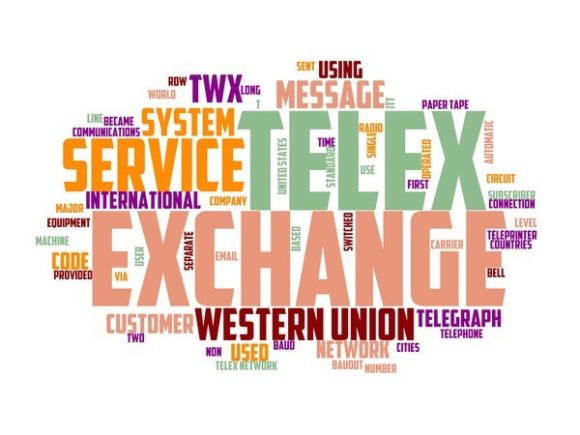
The beauty of this design lies in its versatility. It can be used in everything from packaging and branding to personal projects like handmade cards and home décor. The hand-drawn, colorful wordcloud version of this style adds an extra layer of creativity, making it ideal for products like clothing, posters, and accessories.
Common Mistakes When Working With Telex Operator Typography Background
Despite its appeal, many people make mistakes when choosing or applying Telex Operator Typography Background. One common error is assuming that all retro designs are the same. In reality, different styles within this category have unique characteristics that can affect how they look and feel in various applications.
Another mistake is not considering the readability of the typography. While a stylized font might look great on a poster, it could be difficult to read on a business card or a flyer. This can lead to poor communication and a less professional appearance.
Some users also overlook the importance of resolution and file format. Using low-resolution images or incompatible file types can result in blurry prints or distorted visuals, especially when scaling the design for different sizes.
How These Mistakes Can Impact Your Work
Choosing the wrong style or ignoring readability can lead to confusion in your messaging. For example, if you’re creating promotional materials for a small business, a poorly chosen font might make your message less effective, reducing the chances of customer engagement.
Using incorrect file formats or resolutions can cause technical issues during printing or digital distribution. This not only affects the quality of your product but can also increase costs due to reprints or revisions.
Practical Advice for Better Results
To avoid these pitfalls, start by researching the specific type of Telex Operator Typography Background you want to use. Look at examples from different sources to understand how they perform in various contexts. This will help you make an informed decision based on your needs.
When selecting a font, test it in different sizes and backgrounds to ensure it remains legible. If you're using a hand-drawn wordcloud, consider how the colors and layout interact with the text. A well-balanced design can enhance the overall impact of your project.
Before downloading or purchasing any design, check the file format and resolution. High-quality vector files (like SVG or EPS) are ideal for scalable projects, while raster files (like PNG or JPEG) should be used for fixed-size applications.
Realistic Examples and Better Approaches
For instance, if you're designing a set of greeting cards, a clean and readable Telex Operator Typography Background would be more effective than a highly stylized one. This ensures that your message is clear and easy to understand, even when printed on small cards.
If you're creating a custom t-shirt with a wordcloud design, focus on high-contrast colors and a strong layout. This will make the design stand out and maintain its visual appeal when printed on fabric.
For digital use, such as social media graphics or e-books, ensure that the design is optimized for screen viewing. This includes adjusting brightness, contrast, and file size to maintain quality without slowing down loading times.
What to Check Before Making a Decision
Before committing to a Telex Operator Typography Background, ask yourself a few key questions: What is the primary purpose of the design? Who is the target audience? What are the technical requirements for the project?
Additionally, consider the licensing terms if you're using a purchased font or design. Some fonts may have restrictions on commercial use, which could limit your options if you're planning to sell products.
Finally, always review the final output before publishing or printing. This includes checking for typos, alignment issues, and color accuracy. A small oversight can have a big impact on the overall quality of your work.
Conclusion: Make Smart Choices With Telex Operator Typography Background
Telex Operator Typography Background offers a unique and versatile design option for creators and businesses alike. By understanding its characteristics and avoiding common mistakes, you can unlock its full potential in your projects. Whether you're designing for print, digital media, or handmade goods, a thoughtful approach will lead to better results and greater satisfaction.
Take the time to research, test, and refine your choices. With the right strategy, Telex Operator Typography Background can become a valuable asset in your creative toolkit.