Somatology Typography Tie Dye: A Strategic Design Asset for Purpose-Driven Creators
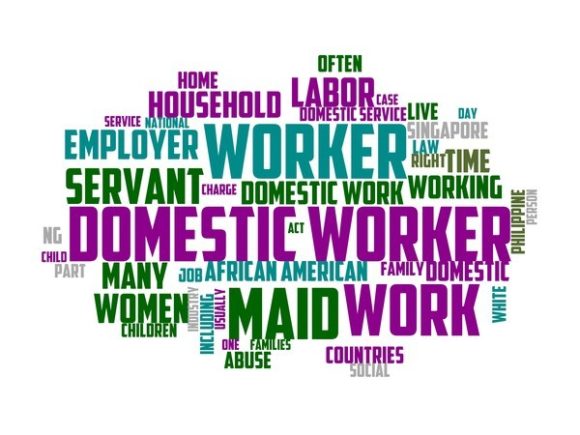
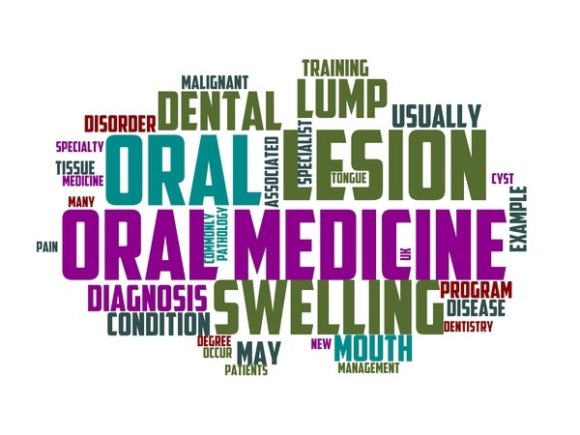
Somatology Typography Tie Dye is more than a visual motif—it’s a deliberate fusion of anatomical awareness, typographic intention, and organic color expression. Rooted in the study of the human form (somatology) and refined through expressive letterform design, this style translates layered meaning into vivid, hand-drawn wordclouds. Each element—curved ligatures, fluid transitions between letters, and intentionally uneven dye diffusion—is crafted to evoke both cognitive resonance and emotional warmth. Unlike algorithmically generated patterns, Somatology Typography Tie Dye carries human rhythm: slight asymmetries, pigment bleed that suggests growth rather than chaos, and vocabulary curated not for density, but for thematic coherence.
Why This Style Fits Real-World Strategy—Not Just Aesthetics
When you choose Somatology Typography Tie Dye, you’re selecting a tool with built-in communicative discipline. Its strength lies in how it supports clarity without sacrificing personality. For educators designing workshop handouts, the organic flow invites engagement while anchoring key concepts—“resilience,” “curiosity,” “integration”—in visually memorable ways. For small business owners launching a wellness brand, the somatic reference grounds messaging in embodied experience, differentiating from sterile stock graphics. And for publishers developing mindfulness journals or therapeutic workbooks, the hand-drawn quality signals authenticity—something readers increasingly assess before trusting content.
This isn’t about decoration for decoration’s sake. It’s about aligning visual language with functional intent. A poster using Somatology Typography Tie Dye communicates differently than one using geometric sans-serifs or minimalist line art. It signals openness, process-oriented thinking, and respect for complexity—qualities that resonate deeply with audiences navigating change, learning new skills, or seeking meaningful connection.
Where It Delivers Measurable Value—Beyond the First Impression
Consider these grounded use cases where Somatology Typography Tie Dye contributes directly to outcomes:
- Promotional materials for retreats or coaching programs: When printed on tote bags or digital banners, the wordcloud reinforces core themes (“presence,” “alignment,” “release”) without needing explanatory text—reducing cognitive load while increasing thematic recall.
- Textile design for apparel brands: Applied to organic cotton tees or linen scarves, the tie-dye texture integrates naturally with fabric grain, avoiding the “digital sticker” effect common with flat vector overlays. That tactile harmony builds perceived quality and longevity.
- Printable resources for educators and therapists: Because the wordcloud is designed at high resolution and with intentional spacing, individual words remain legible even when scaled down for journal prompts or flashcards—supporting actual usability, not just visual appeal.
- Branding extensions beyond logos: Used consistently across business cards, email headers, and packaging inserts, Somatology Typography Tie Dye creates a recognizable tonal signature—especially valuable for service-based professionals whose differentiation rests on voice and values, not product specs.
How to Use It Intentionally—Not Just Decoratively
Start by asking: What outcome do I want this wordcloud to support? If the goal is to inspire action, prioritize verbs (“begin,” “breathe,” “connect”). If it’s for reflection or learning, nouns with conceptual weight (“balance,” “threshold,” “continuity”) carry more resonance. Avoid cramming unrelated terms—even if they “sound good.” A wordcloud diluted by filler undermines its strategic utility.
Next, consider context. Will it appear on dark fabric? Light paper? A screen with variable brightness? Somatology Typography Tie Dye works best when contrast is thoughtfully managed—not maximized. Soft-edged gradients and mid-tone pigments maintain readability across surfaces while preserving the style’s organic integrity. Test prints early, especially for textile applications: dye absorption varies significantly between cotton, polyester blends, and natural dyes.
Also weigh scale and hierarchy. On a notebook cover, the full wordcloud may anchor the design. On a business card, isolate one central term—rendered in the same hand-drawn style—and let surrounding whitespace do the work. Consistency matters less than coherence: using the same visual logic across touchpoints builds recognition faster than rigid repetition ever could.
Risks of Using It Without Strategic Anchoring
Without clear purpose, Somatology Typography Tie Dye can unintentionally signal ambiguity. Overuse—especially across unrelated products or inconsistent color palettes—dilutes its associative power. A yoga studio and a fintech SaaS platform may both use “flow” or “clarity” in their wordclouds, but the underlying resonance differs. Applying the same visual treatment to both without adjusting tone, weight, or supporting imagery risks confusing audience perception rather than clarifying it.
Another risk lies in misalignment with operational reality. If your brand promises precision and systems-thinking but leans heavily on freeform, unstructured typography, customers may subconsciously question reliability—even if your service delivery is excellent. Visual language sets expectations; mismatched signals create friction before the first interaction.
Practical Planning Tips for Long-Term Utility
Before licensing or downloading a Somatology Typography Tie Dye wordcloud, map out at least three planned applications. Ask yourself:
- Which specific customer journey stage does each application serve? (e.g., awareness → curiosity → decision)
- What existing assets will it replace or enhance—and does it improve clarity or consistency in that context?
- Can it be adapted—not just resized—for future needs? (e.g., extracted phrases for social media carousels, simplified versions for embroidery, grayscale variants for monochrome print runs)
Invest time in customizing color palettes to match your brand’s established hues—not just picking what “looks vibrant.” A muted ochre-and-sage variation may communicate groundedness more effectively than neon pink for a trauma-informed coaching practice. Likewise, pairing the wordcloud with clean, highly legible body typefaces (not decorative ones) ensures hierarchy remains functional, not decorative.
Building Sustainable Creative Capacity—Not Just One-Off Projects
Somatology Typography Tie Dye gains long-term value when treated as part of a broader creative system—not an isolated asset. Think of it as a modular component: one that can evolve alongside your goals. A founder launching a new course might begin with a broad wordcloud highlighting foundational principles. As the curriculum deepens, subsets of that original cloud—refined, re-ordered, or re-colored—can illustrate module-specific takeaways. That kind of reuse strengthens narrative continuity and reduces design overhead over time.
For teams, sharing a clearly documented usage guide—covering acceptable crops, minimum sizes, compatible backgrounds, and prohibited modifications—protects both visual integrity and strategic focus. It also empowers non-designers (marketers, educators, operations staff) to apply the asset confidently and correctly, without constant oversight.
Finally, remember that Somatology Typography Tie Dye thrives in service of human attention—not distraction. Its hand-drawn nature invites pause. Its somatic roots suggest embodiment. Its tie-dye character implies transformation. When used with those qualities in mind—not as background noise, but as intentional punctuation—you’re not just decorating. You’re designing for meaning, memory, and movement.