Sports Administrator Typography Book Cov: A Unique Resource for Creative Expression
The Sports Administrator Typography Book Cov is a distinctive resource that blends the structured world of sports administration with the creative potential of typography. This book offers a unique approach to visual communication, making it an appealing option for those who want to combine practical knowledge with artistic expression. Its design and content are tailored to meet the needs of professionals in sports administration while also serving as a source of inspiration for designers, educators, and creatives.
What sets the Sports Administrator Typography Book Cov apart is its focus on typography as a tool for conveying messages related to sports management, leadership, and organization. Unlike traditional typography guides that may prioritize aesthetic principles alone, this book integrates real-world applications specific to the sports industry. This makes it particularly useful for individuals looking to enhance their visual communication skills within a specialized context.
Understanding the Distinctive Features of Sports Administrator Typography Book Cov
The Sports Administrator Typography Book Cov stands out due to its emphasis on clarity, functionality, and relevance to sports administration. It provides a framework for using typography not just as a decorative element but as a means of effectively communicating complex information. The book includes examples of how different typefaces can be used to represent the values and objectives of sports organizations, making it a valuable tool for branding and marketing efforts.
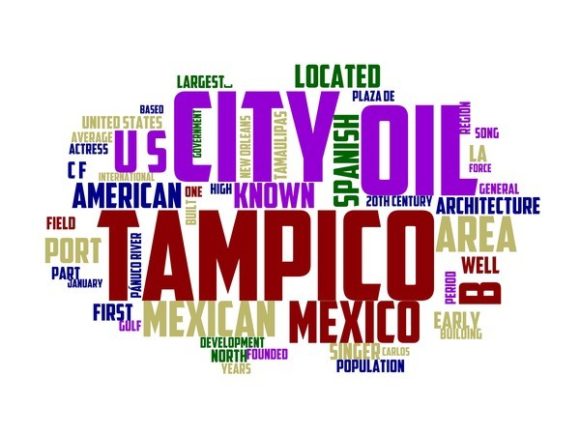
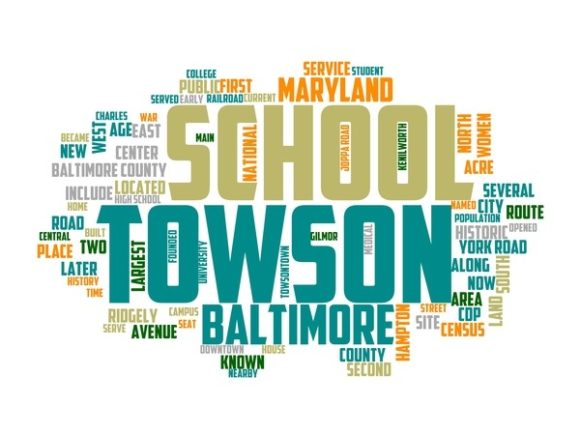
One of the key features of this book is its use of hand-drawn elements and colorful wordclouds. These visual components add a personal touch and make the content more engaging. The wordclouds, in particular, serve as a creative tool that can be adapted for various purposes, such as decorating clothing, posters, or other promotional materials. This versatility enhances the book's appeal beyond its primary audience of sports administrators.
Comparing Sports Administrator Typography Book Cov with Similar Resources
When compared to other typography resources, the Sports Administrator Typography Book Cov offers a niche-specific perspective that may not be found in general design guides. While many typography books focus on broad design principles, this one narrows its scope to the needs of sports administrators. This targeted approach can be beneficial for those who want to apply typography in a professional setting related to sports.
However, it’s important to consider that the book may not be the best fit for everyone. For example, individuals who are primarily interested in graphic design or artistic typography might find the content too focused on administrative applications. In contrast, a more general typography guide could provide a broader range of techniques and styles that cater to a wider audience.
Another point of comparison is the availability of digital tools and software that offer similar functionalities. Some designers may prefer using digital platforms to create wordclouds and typography layouts, which can offer greater flexibility and customization. In such cases, the Sports Administrator Typography Book Cov could complement these tools by providing conceptual insights and design principles rather than direct digital solutions.
Strengths and Tradeoffs of Using Sports Administrator Typography Book Cov
The strength of the Sports Administrator Typography Book Cov lies in its ability to bridge the gap between practical sports administration and creative design. It offers a structured yet flexible approach that allows users to explore typography in a meaningful way. The inclusion of hand-drawn elements and colorful wordclouds adds a tactile and visual dimension that can inspire creativity and innovation.
One tradeoff to consider is the book’s limited scope. While it excels in its niche, it may not provide the depth required for advanced typographic studies. Readers who are looking for comprehensive technical details or historical context about typography might need to seek additional resources. Additionally, the book’s focus on sports administration could limit its applicability for those outside this field.
Another factor to weigh is the cost and accessibility of the book. Depending on the format and availability, it may be more expensive or less accessible than other design-related resources. For readers who are budget-conscious or prefer digital formats, this could be a consideration when deciding whether to invest in the book.
When Sports Administrator Typography Book Cov Is the Right Choice
The Sports Administrator Typography Book Cov is an ideal choice for professionals in sports administration who want to enhance their visual communication skills. It can be particularly useful for those involved in creating promotional materials, event programs, or organizational reports. The book’s focus on clarity and structure aligns well with the needs of sports administrators, making it a practical addition to their toolkit.
It is also a good option for educators and trainers who want to incorporate typography into their curriculum. By using the book’s examples and exercises, they can teach students how to apply typography in real-world scenarios. This makes the book a valuable resource for both academic and professional settings.
Additionally, the book’s colorful wordclouds and hand-drawn elements make it a great source of inspiration for artists and designers. Those looking to create personalized products such as clothing, posters, or home décor can benefit from the visual ideas presented in the book. The wordclouds can be adapted for various projects, offering a creative foundation for different types of designs.
Alternative Options and Considerations
For readers who are not specifically interested in sports administration, there are alternative resources that may better suit their needs. General typography guides, design blogs, and online courses often provide a broader range of information and techniques. These options can be more versatile for individuals who want to explore typography in multiple contexts, such as graphic design, web development, or print media.
Another alternative is to use digital tools that allow for the creation of custom wordclouds and typography layouts. Software like Canva, Adobe Spark, or even free online generators can offer similar functionalities to what is found in the Sports Administrator Typography Book Cov. These tools can be more accessible and user-friendly for those who prefer a hands-on approach to design.
Ultimately, the decision to use the Sports Administrator Typography Book Cov depends on individual needs and goals. Those who are looking for a focused, practical resource that aligns with their professional interests will likely find it valuable. However, for those seeking a more general or technical approach to typography, other options may be more appropriate.
Conclusion: Making an Informed Decision
The Sports Administrator Typography Book Cov offers a unique blend of practical knowledge and creative expression that can be beneficial for professionals in sports administration and others interested in typography. Its focus on clarity, functionality, and visual appeal makes it a valuable resource for those looking to enhance their design skills within a specific context.
By understanding its strengths, tradeoffs, and potential alternatives, readers can make an informed decision about whether this book is the right choice for their needs. Whether used as a reference guide, a teaching tool, or a source of inspiration, the Sports Administrator Typography Book Cov has the potential to contribute meaningfully to the creative and professional development of its users.